


Top Tips for Makeup Artists to Manage Clients with Allergies
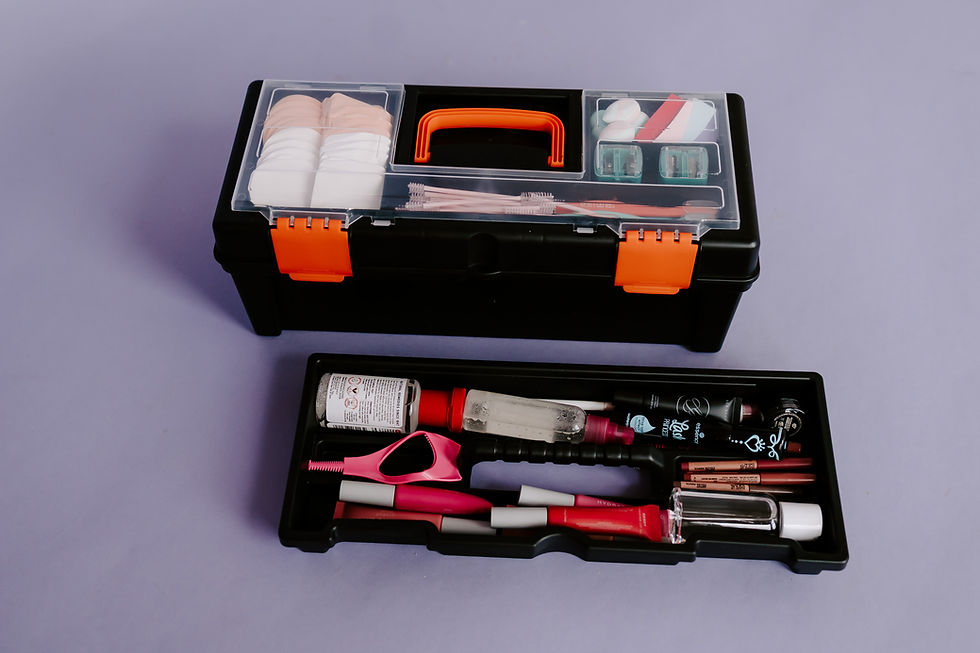
Allergies can turn a makeup session into a stressful experience for both the artist and the client especially when you are underprepared. Makeup products often contain ingredients that can trigger allergic reactions.
I have sad news though. Cosmetics lack a lot of regulations. Things that are labeled "sensitive skin" are a marketing tool. The cosmetic industry is filled of verbiage that is more of marketing than regulations. Your goal is to always know the products your using and have a list with the most known irritants for easy reference.
Some common allergens include:
Fragrances
Preservatives like formaldehyde releasers
Certain dyes and pigments
Latex in applicators or sponges
Nickel in some cosmetic tools
Fruits often found in skincare
Before starting any makeup application, ask your client about their allergy history. Use clear, direct questions such as:
Do you have any known allergies to makeup or skincare products?
Have you experienced any reactions to cosmetics in the past?
Are you sensitive to fragrances or preservatives?
Keep Your Tools Clean
Makeup brushes, sponges, and applicators can harbor bacteria and allergens.
Follow these tips:
Clean brushes and sponges after every use with gentle, fragrance-free cleansers
Use disposable applicators
Be Prepared to Handle Allergic Reactions
Despite precautions, allergic reactions can still occur. Signs include redness, swelling, itching, or hives. If you notice any symptoms during application:
Stop using the product immediately
Gently remove makeup from the affected area with a mild cleanser
Offer a cold compress to reduce swelling
Advise the client to seek medical attention if symptoms worsen
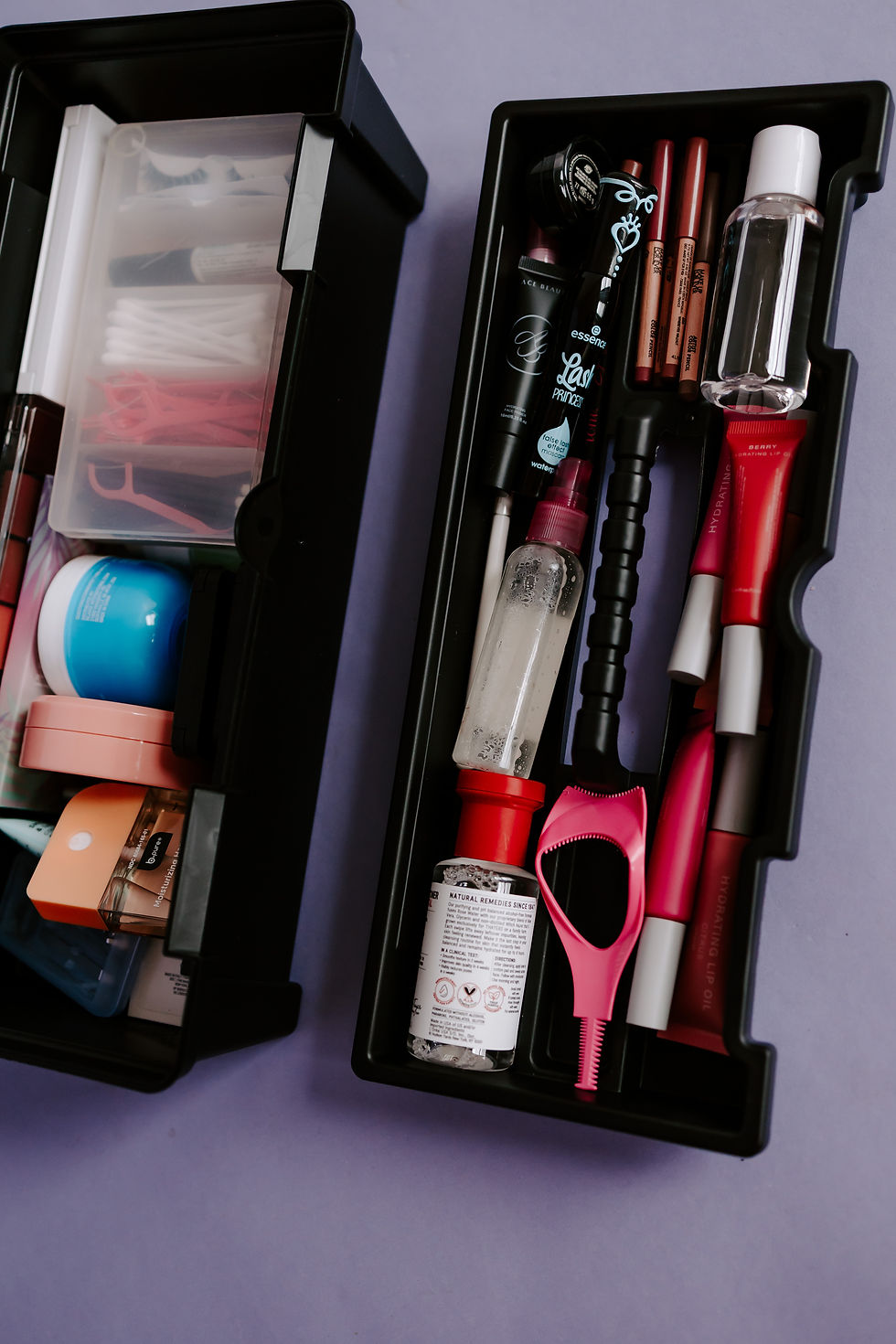
Having a basic first aid kit and knowing emergency contacts is a smart precaution. This knowledge helps you offer the safest and most current options to your clients.
![How Freelance Makeup Artists Can Track Payments Using a CRM [Client Retention Program]](https://static.wixstatic.com/media/4c7a9c_19eb0f4a3b7b4aa29193c280cc77d26a~mv2.jpg/v1/fill/w_980,h_1470,al_c,q_85,usm_0.66_1.00_0.01,enc_avif,quality_auto/4c7a9c_19eb0f4a3b7b4aa29193c280cc77d26a~mv2.jpg)

Comments